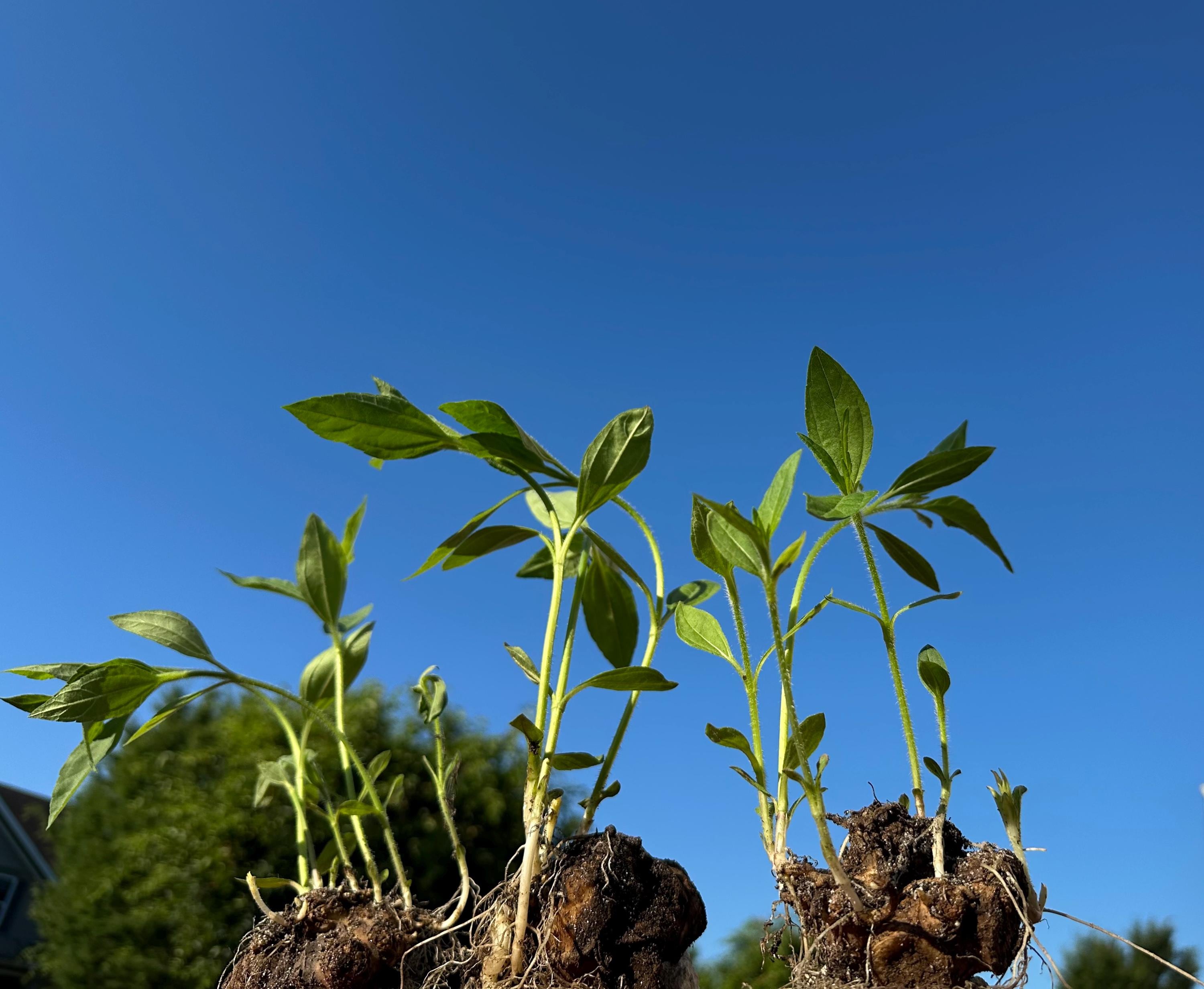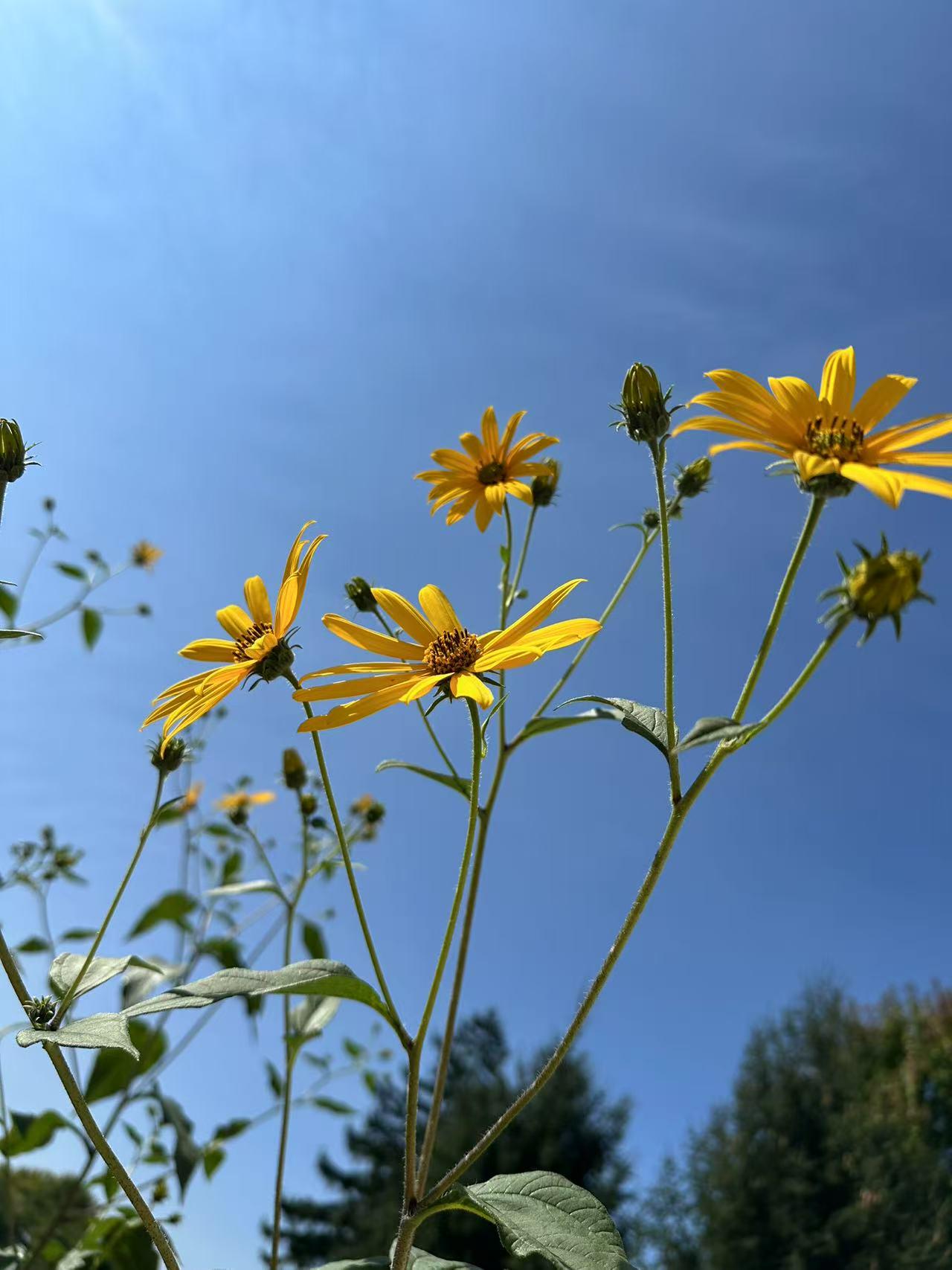
Sunchokes (Jerusalem artichokes) are very easy to grow and can be planted during several different seasons.The best planting times are fall, winter while the ground is still workable and not frozen, spring, and early summer.For the best tuber production, sunchokes generally benefit from about 110–150 days of growing time before harvest. However, this does not mean that a shorter growing season will necessarily result in a poor harvest. In my own experience, I have grown and harvested very good sunchoke tubers in only about 90 days.The size and yield of the tubers depend not only on how early you plant, but also on your location, sunlight, soil conditions, and fertility.Sunchokes grow best in full sun and prefer loose, well-draining soil. Sandy or sandy-loam soil is especially good because it gives the underground tubers plenty of room to expand. Heavy, compacted soil can still grow sunchokes, but the tubers may be smaller or more irregular in shape.During the early stage of growth, sunchokes benefit from some nitrogen to encourage strong stems and healthy foliage. As the plants mature and begin developing tubers, potassium becomes more important and can help support good tuber development.One important thing to know is that once you plant sunchokes, they often come back the following year. Even if you believe you have harvested every tuber, small pieces left in the soil can sprout again. Sunchokes are very vigorous and can regrow from surprisingly small underground pieces, so they can easily become a permanent part of the garden.So, if you are wondering whether it is too late or too early to plant, sunchokes are actually quite flexible. As long as your soil can be worked and you have enough growing time before the ground freezes hard, you can usually plant them successfully.For the best results:
- Choose a sunny location.
- Plant in loose, well-draining soil.
- Sandy soil is excellent for tuber development.
- Use some nitrogen earlier in the growing season.
- Give the plants more potassium during the middle and later stages of growth.
- Allow as much growing time as your climate permits.
Even if you do not have the full 110–150 day growing season, don't be discouraged. Under good growing conditions, sunchokes can still produce nice tubers in a considerably shorter period.